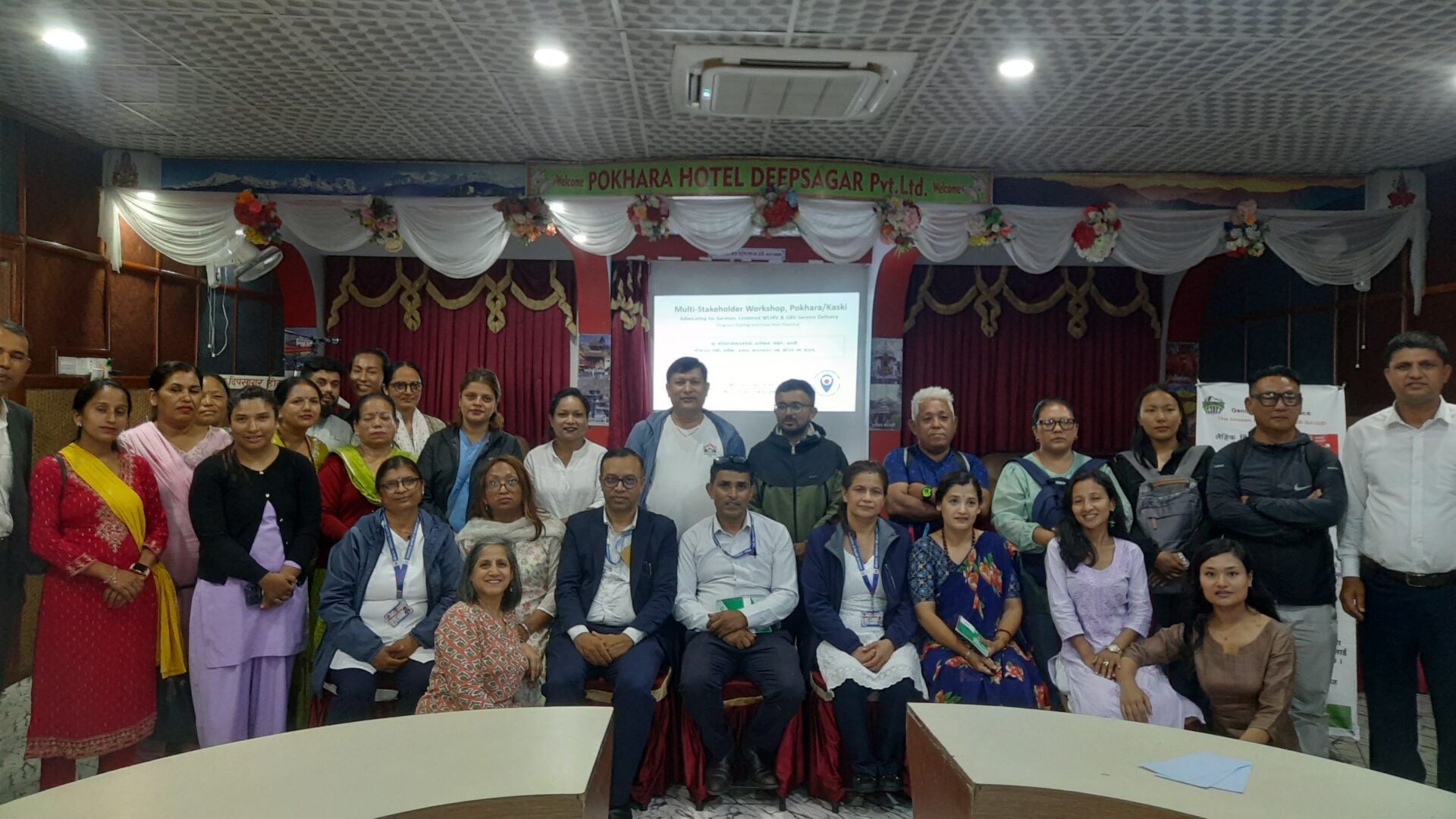
Collaboration is essential to creating safer, more inclusive communities for women living with HIV and survivors of gender-based violence. Recognizing this, Setu Nepal organized a Multi- Stakeholders Workshop in Pokhara, Kaski, on 10 June 2026, bringing together government representatives, health professionals, service providers, and community stakeholders to reflect on progress, share experiences, and strengthen partnerships for future action. Funded by the United Nations Trust Fund (UNTF), the initiative focuses on empowering women living with HIV (WLHIV) to prevent gender-based violence (GBV) and challenge systemic stigma across Kathmandu, Pokhara, and Nawalparasi West. The event brought together key sector actors to review field-level challenges, share project milestones, and establish future priorities.
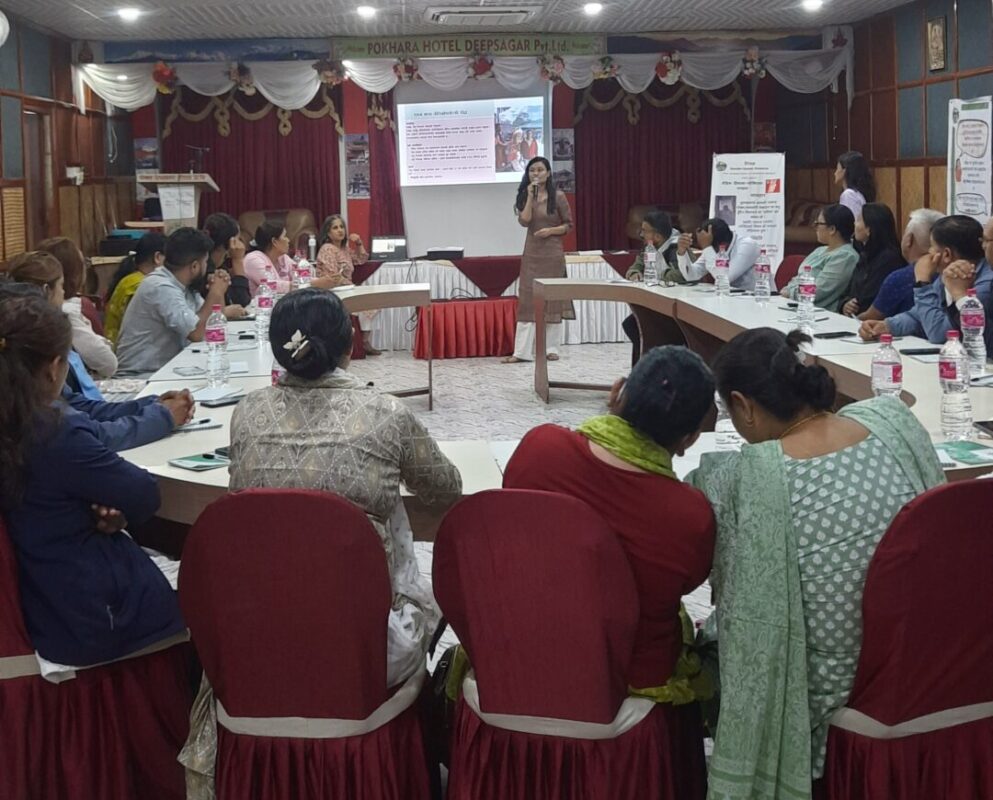
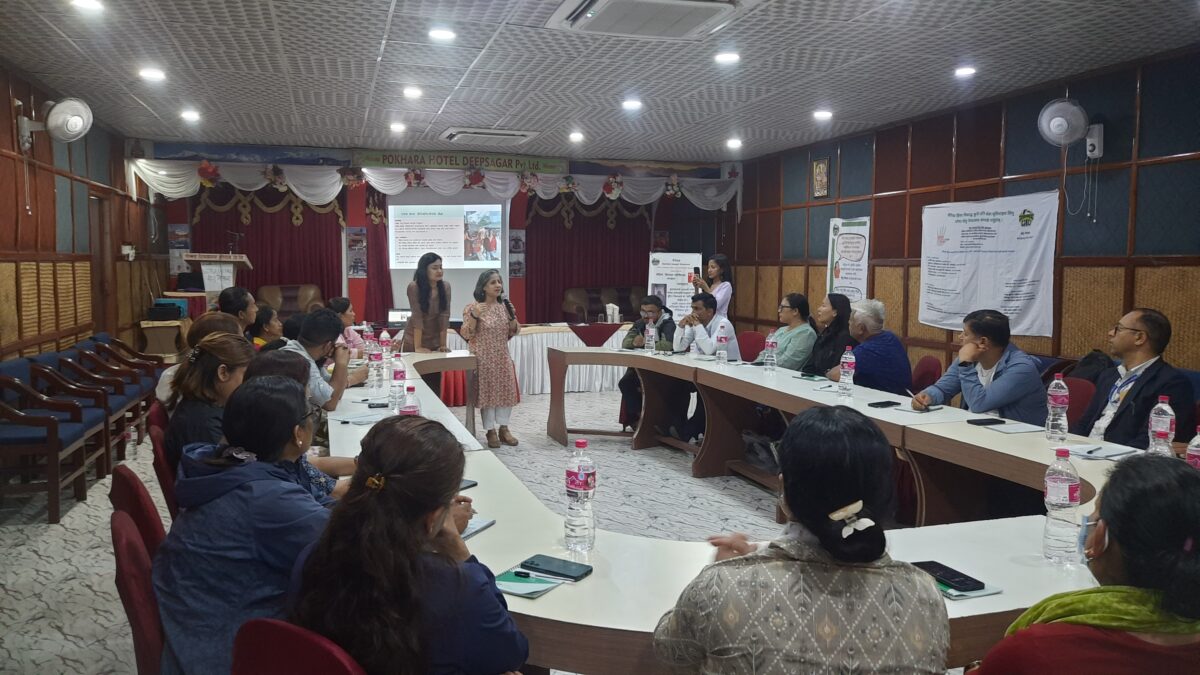
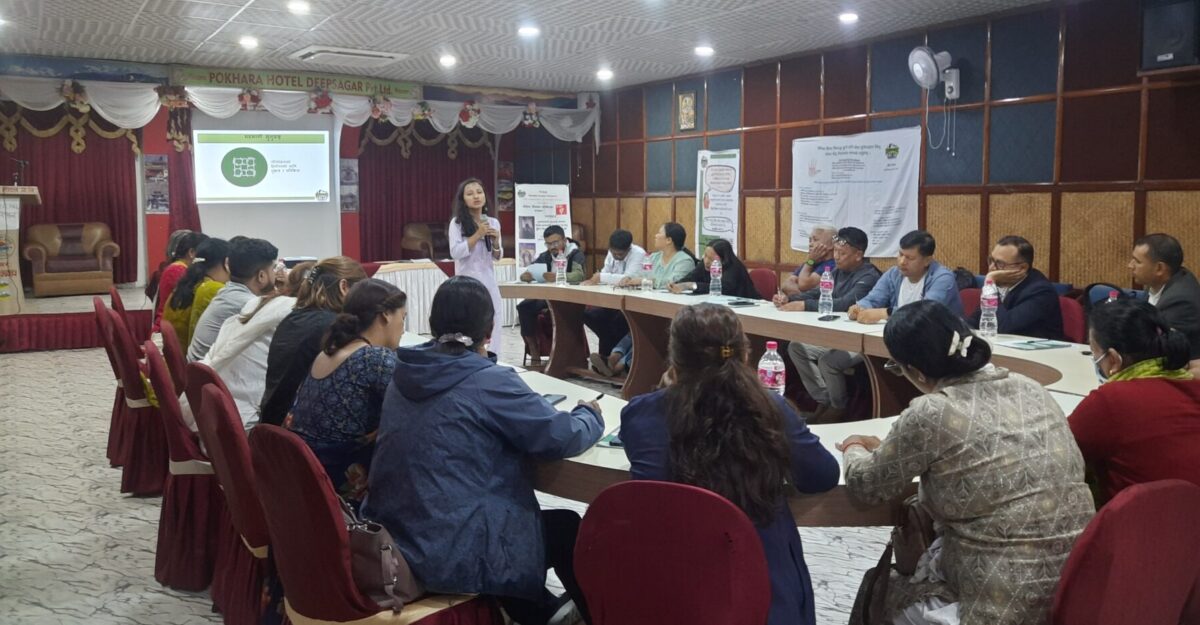
The workshop opened with a 30-minute sound healing session facilitated by Executive Director Ms. Ranju Pandey, creating a calm and reflective space before participants engaged in meaningful dialogue. Following this, Program Officer Ms. Lasata Manandhar delivered a comprehensive project presentation outlining major milestones and field-level hurdles. This transparent review set a solid foundation for the interactive stakeholder discussions that followed, where a central theme emerged: the widening gap between increasing community demand and limited field resources. Participants strongly advocated for extending the program beyond 2026 to ensure sustainability, while also emphasizing the need for stronger communication and referral pathways between the One-Stop Crisis Management Center (OCMC) and community focal persons.
Beneficiaries shared powerful testaments during the discussions:
“As a survivor, I have received many services that were very helpful.” — Survivor & Program Beneficiary
“After the basic orientation, it would be beneficial to engage community members in skill development training.”
— LGBTIQ+ Representative
These reflections underscored an urgent call to transition from baseline awareness sessions to practical livelihood and skill-development training for economic self-reliance. Additionally, attendees stressed that future initiatives must remain highly inclusive, expanding targeted support to address the unique intersectional challenges faced by vulnerable groups like LGBTIQ+ individuals and women who use drugs.
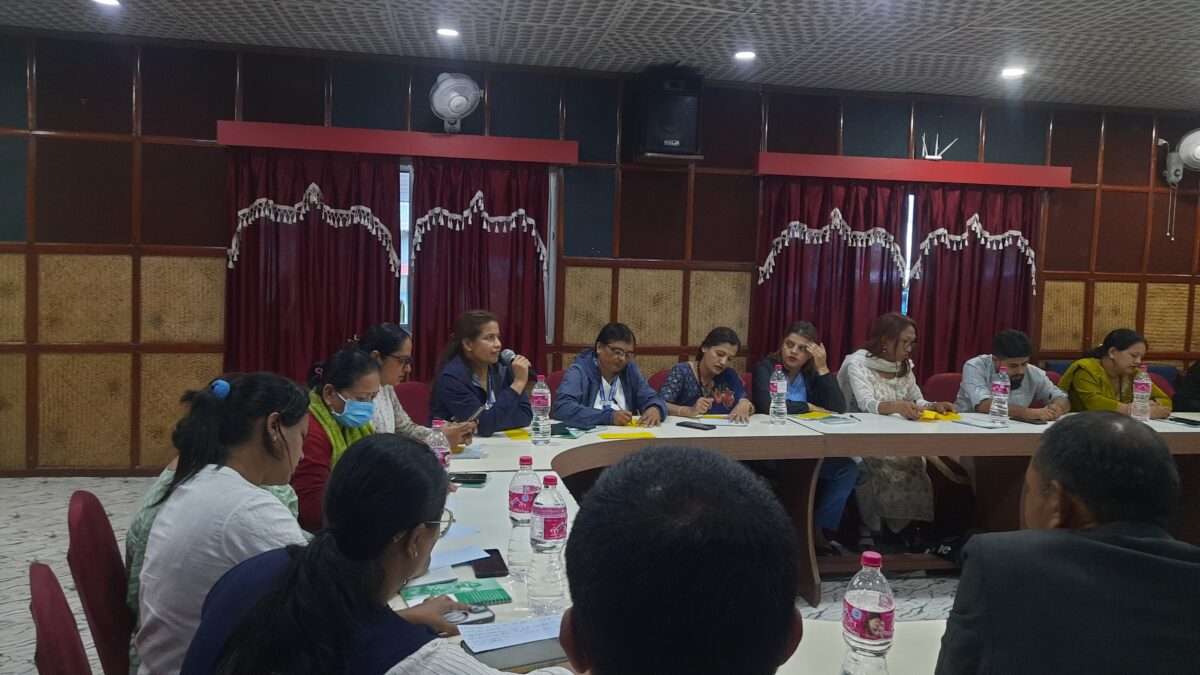
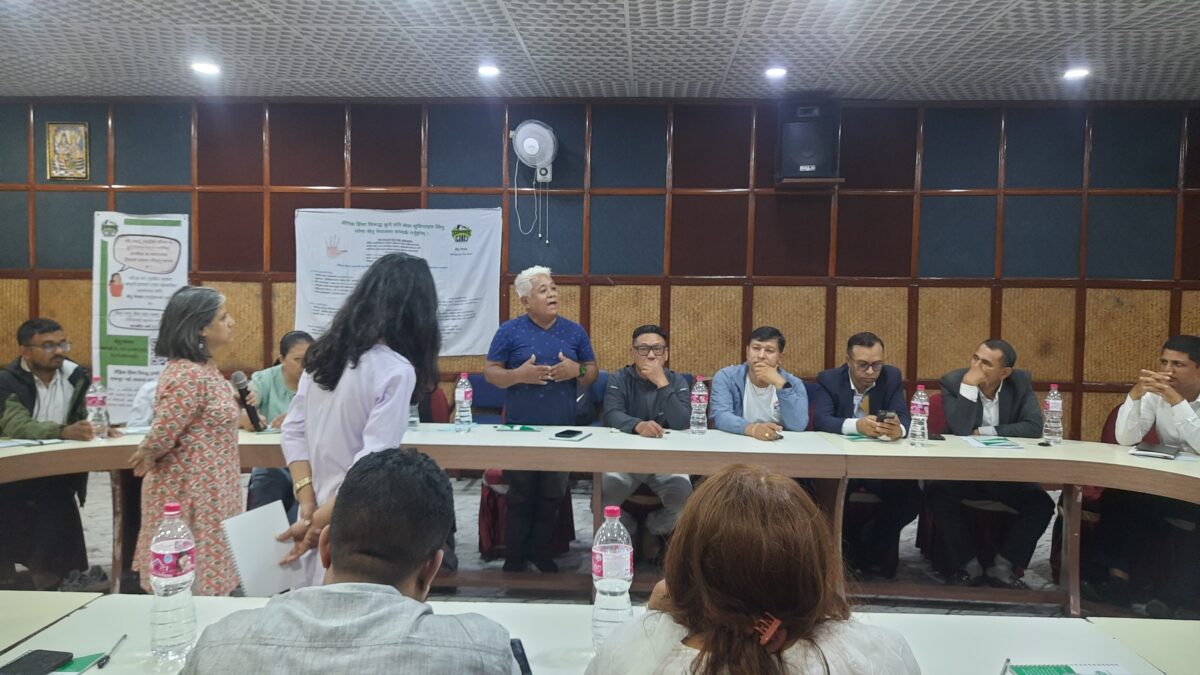
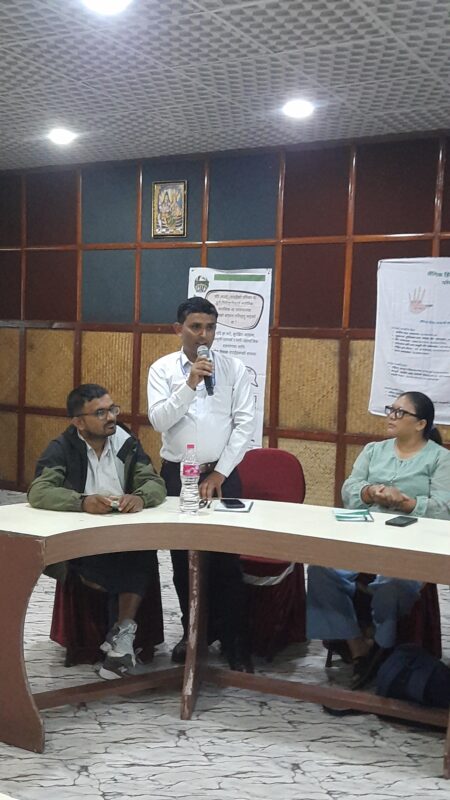
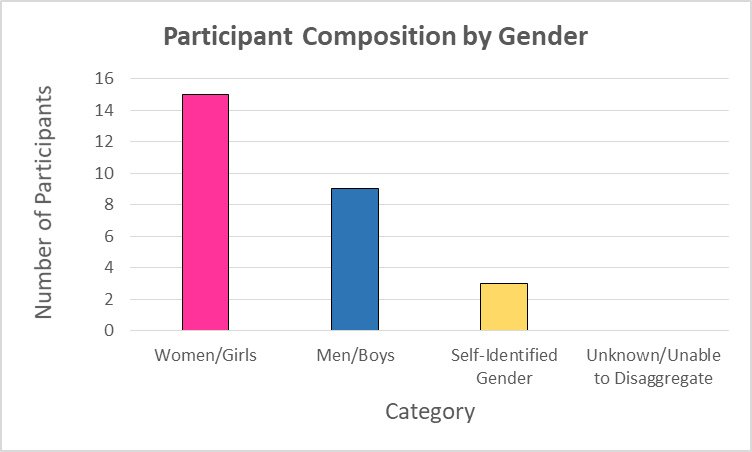
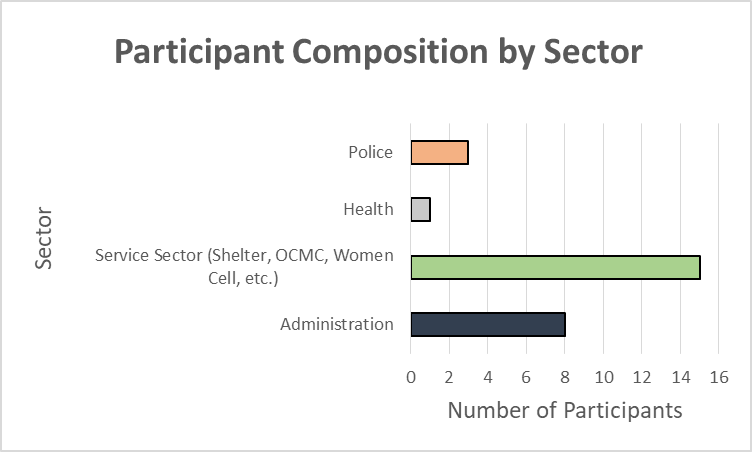
The workshop brought together 27 participants representing local government, health services, police, OCMC, community organizations, and beneficiaries, ensuring diverse perspectives throughout the discussions as seen below.
The event concluded with strong praise from municipal leaders:
“This workshop brought everyone together to understand what Setu Nepal has achieved despite limited resources. We look forward to continuing our collaboration.” — Mr. Toran Bahadur Baniya, Chairperson, Ward No. 15 / Coordinator, Social Development Committee
He also appreciated the introductory sound healing therapy session, describing it as “a very good and meaningful initiative for opening the event.”
“The presentation and discussions were highly valuable for Pokhara Metropolitan City. Bringing everyone together before working individually in the field strengthens coordination.” — Mr. Bharat Raj Paudel, Head of the Health Department, Pokhara Metropolitan City
The Multi- Stakeholders Workshop reinforced that meaningful change is only possible through partnership. By bringing together local government, service providers, community organizations, and beneficiaries, the workshop created an opportunity not only to review progress but also to shape the future of survivor-centered services. The recommendations gathered will contribute to the upcoming National Workshop and help guide Setu Nepal's continued efforts to build safer, more inclusive communities for women living with HIV and other vulnerable groups.