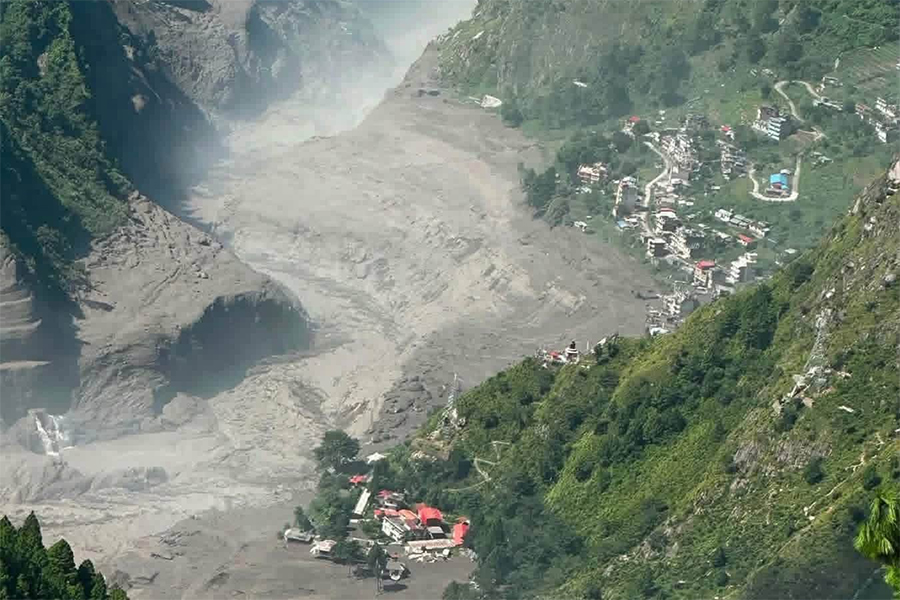
On August 26, 2026, a sudden flash flood swept down the Bhotekoshi corridor after an ice and rock collapse blocked a river upstream near the Nepal–China border. When the blockage gave way, a massive surge of water, mud, and debris tore through Rasuwa and downstream areas of Nuwakot and Dhading — destroying homes, roads, and bridges within hours and leaving entire communities cut off overnight.
For families along the river, the flood arrived with almost no warning. Homes were swept away, farmland buried under debris, and many were separated from loved ones as communication lines went down. In the days that followed, survivors were left without shelter, clean water, or access to medical care — many sheltering in temporary camps as rescue teams worked to reach isolated villages.
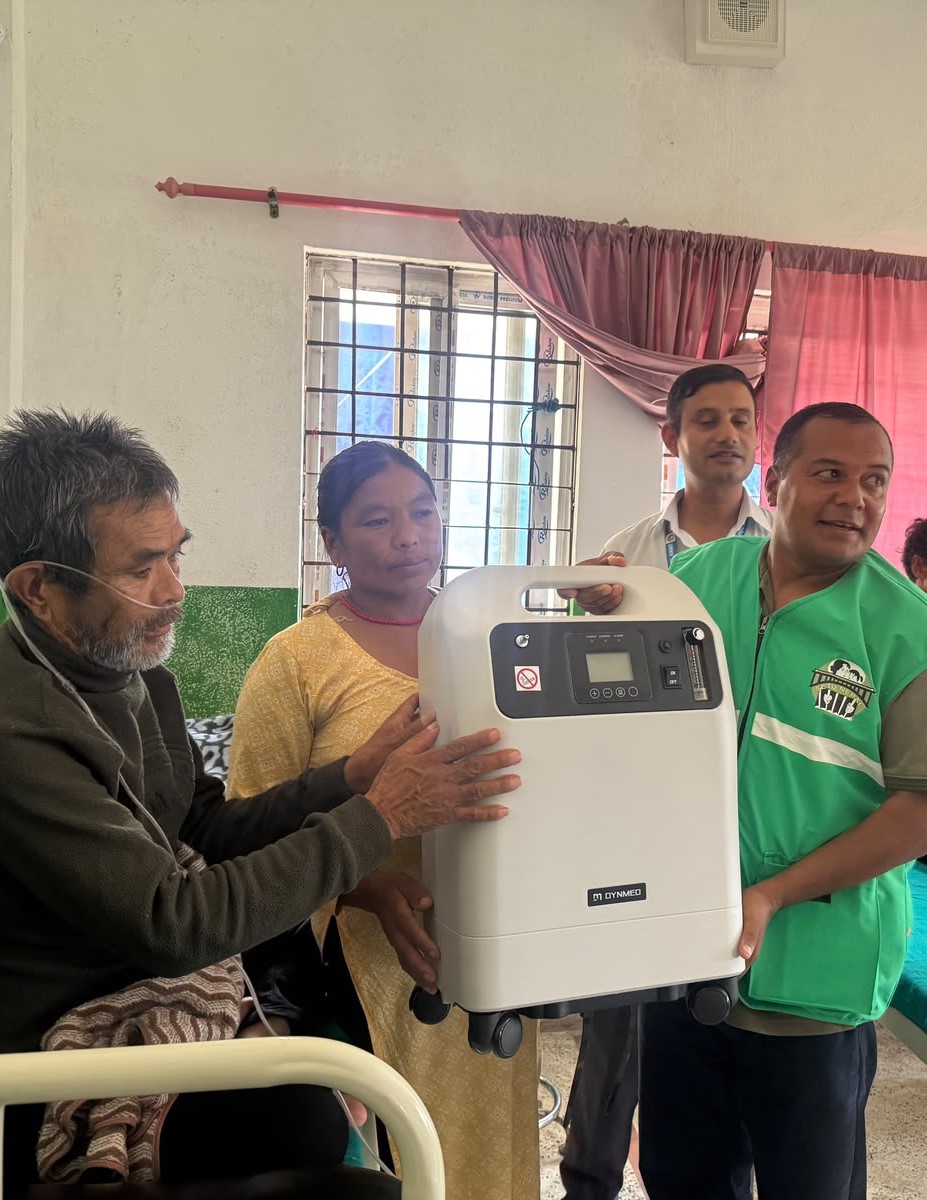
In response, Setu Nepal has been working in close coordination with Nepal Rapid Action Team to reach affected communities as quickly as possible since day one. Together, the response included emergency shelter and relief materials for displaced families, medical support for the injured, psychosocial counselling for survivors coping with trauma and loss, and coordinated search-and-rescue support alongside local authorities. This joint effort ensured that aid reached even the hardest-hit, hardest-to-access villages along the Bhotekoshi corridor.
For the most current data on this disaster, visit the live flood bulletin.
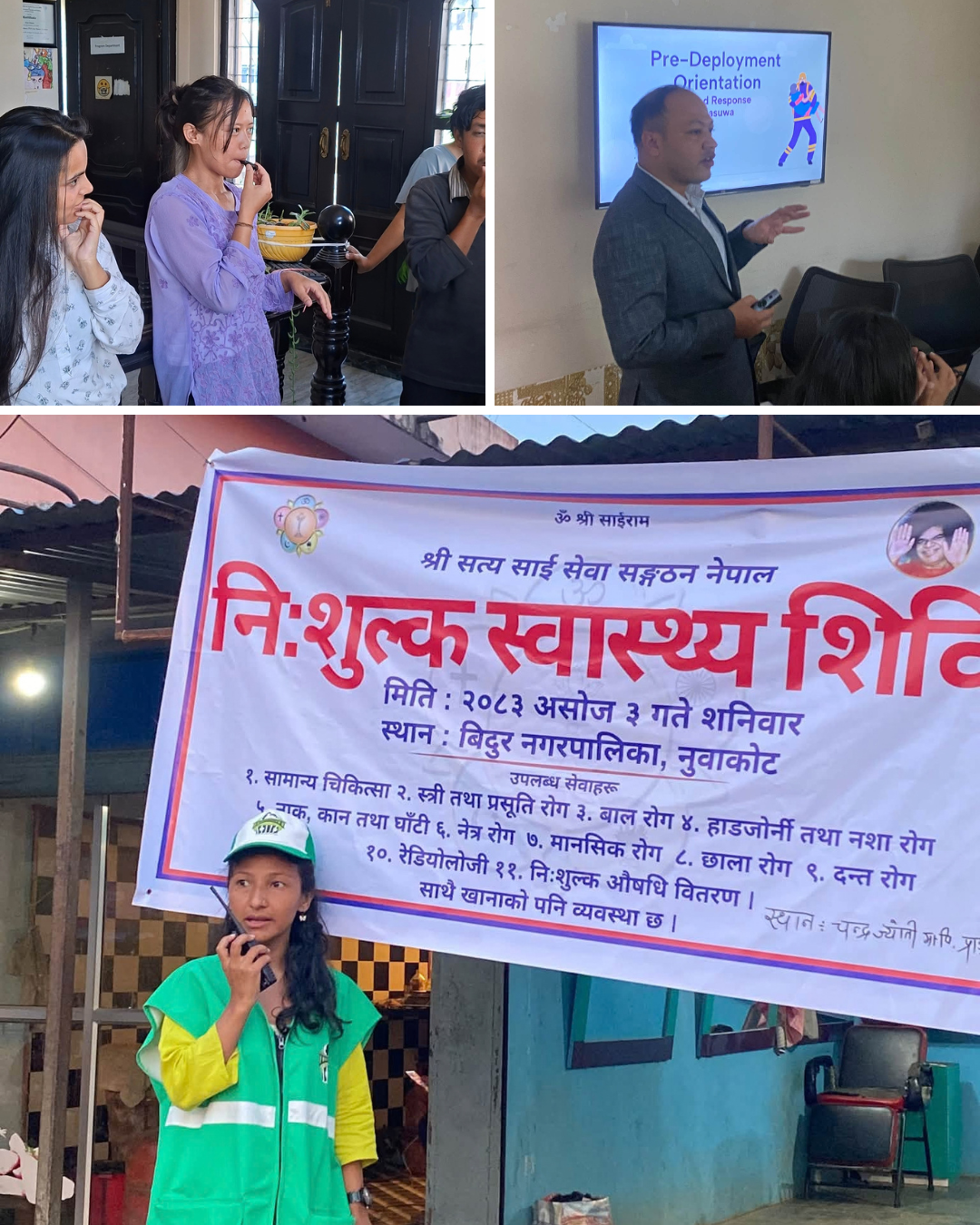
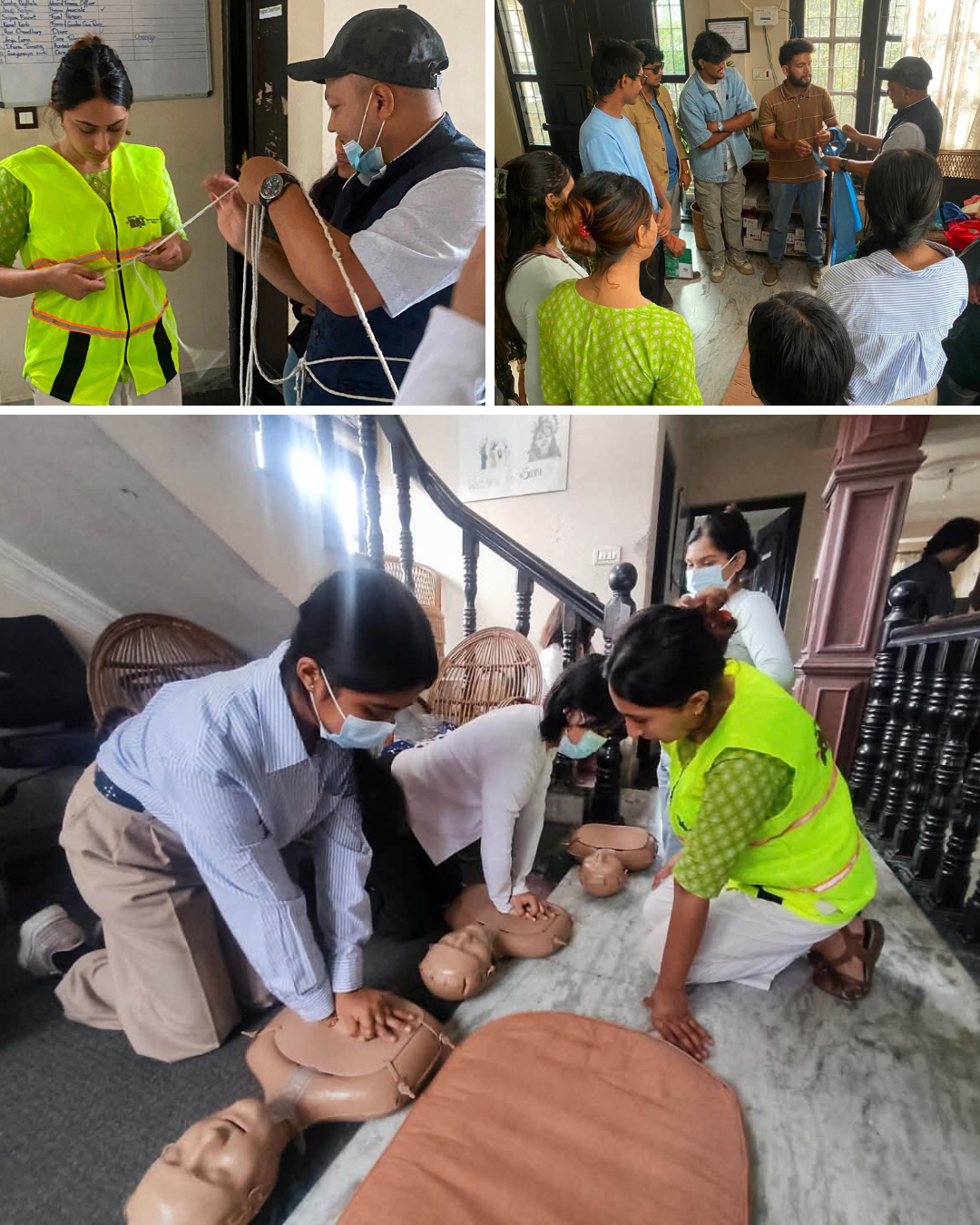
Setu Nepal mobilized the Nepal Rapid Action Team (NRAT) and, together with our partner consortium members, continues its on-the-ground relief efforts in Nuwakot.
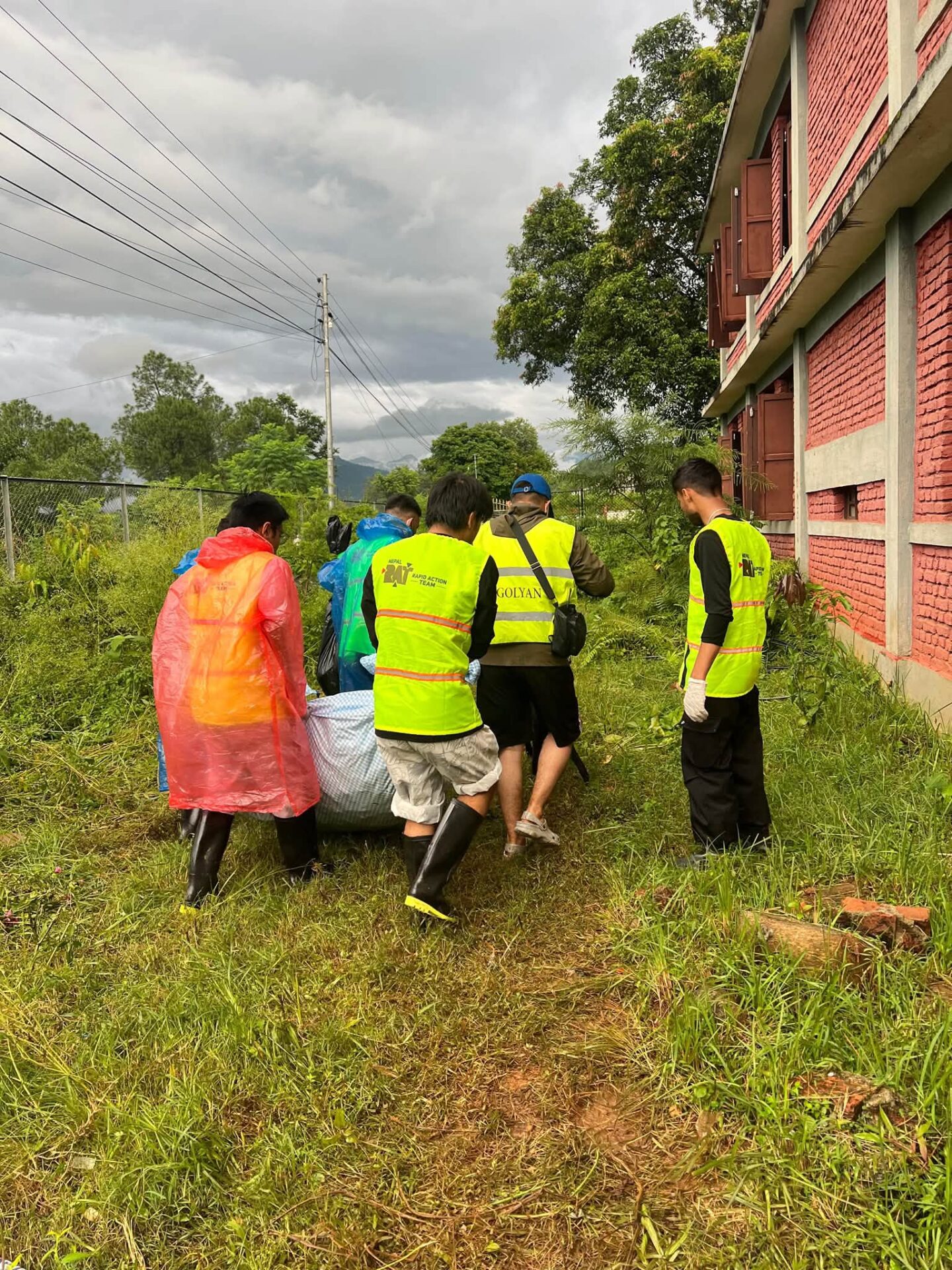
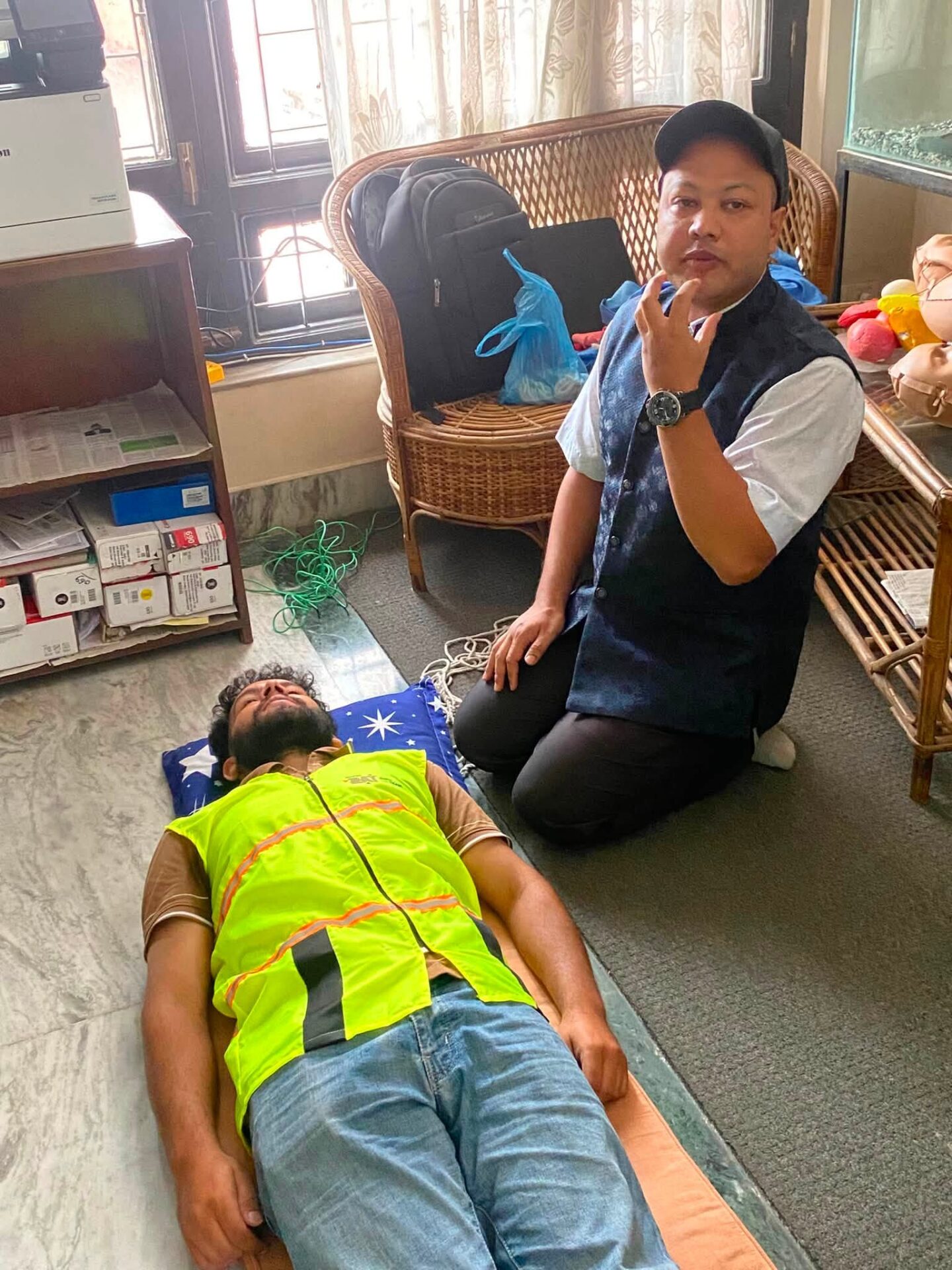
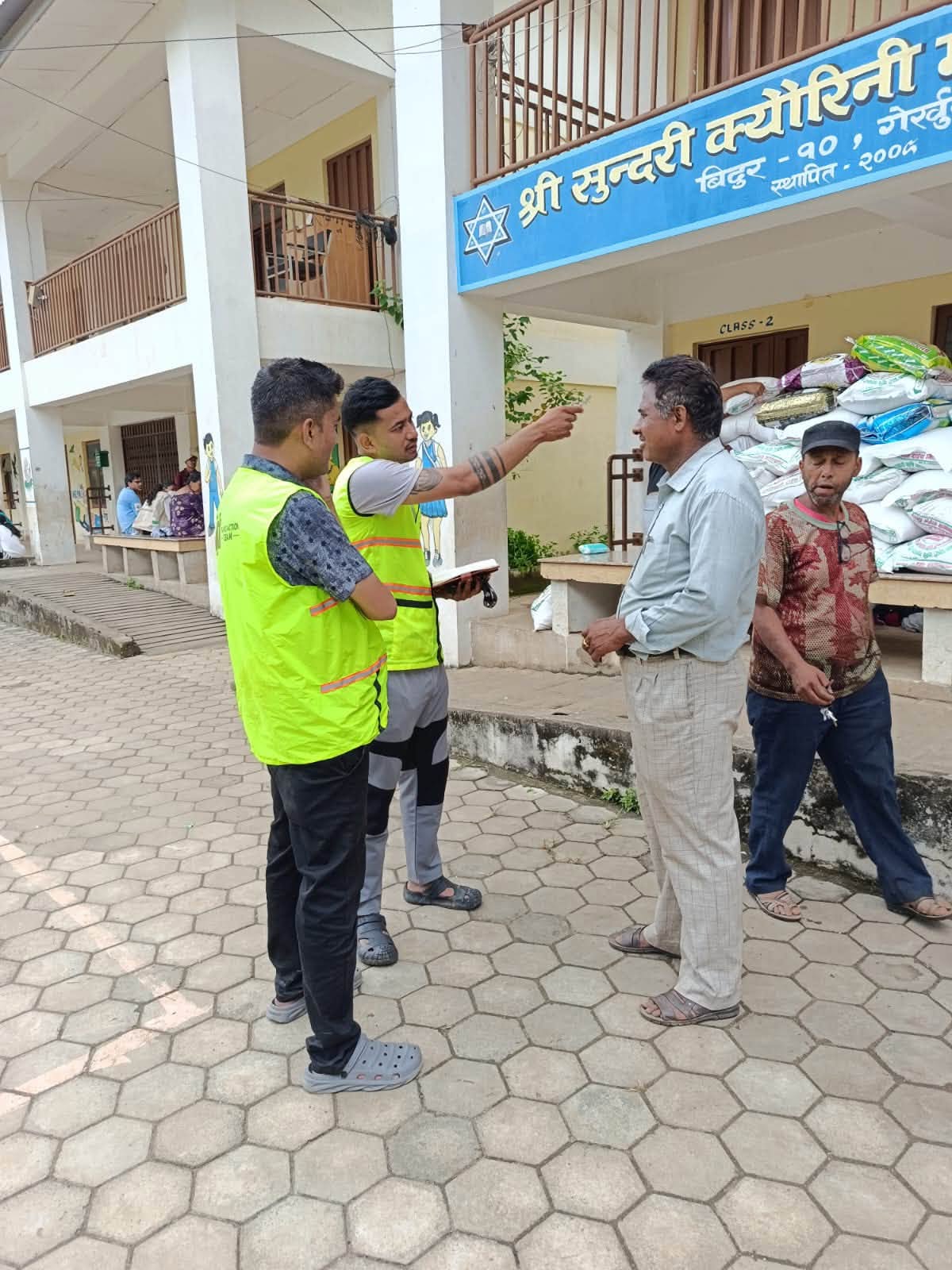
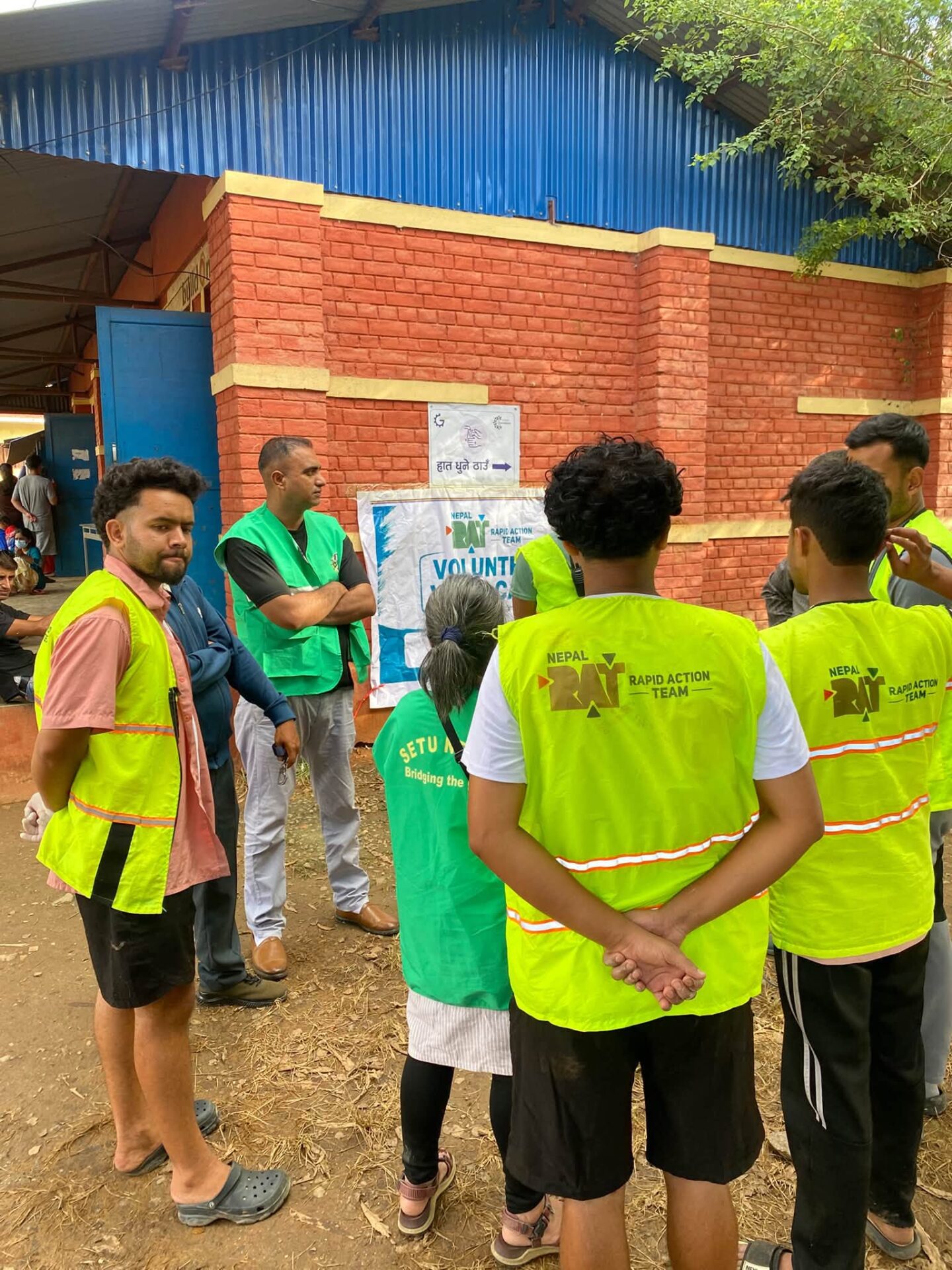
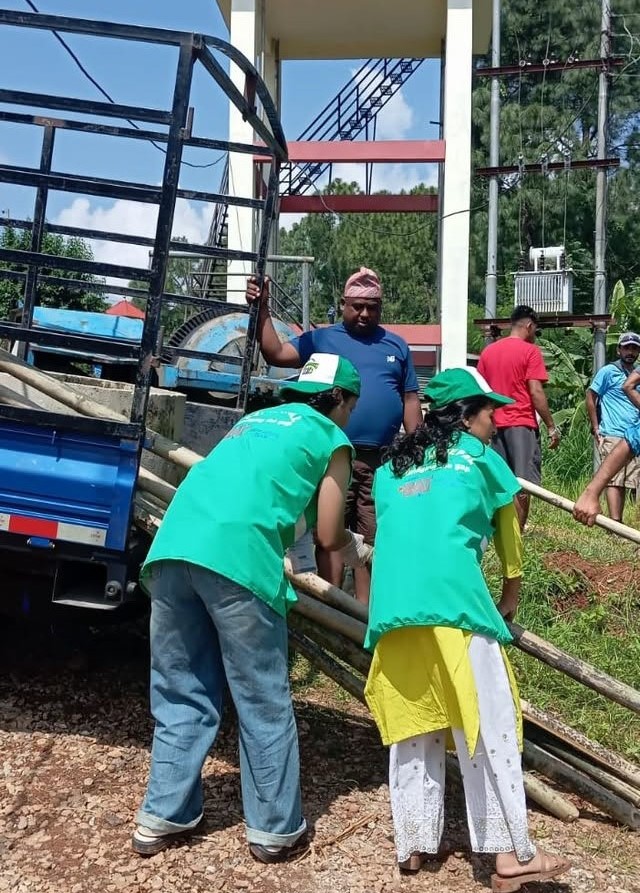
The response began with a cleaning and community support campaign at Chandrajyoti School in Bidur-5, Pipaltar, followed by continued relief distribution and coordination with local partners in the days that followed. As the response grew, our teams focused on mobilizing more volunteers, conducting debriefing and coordination meetings, and identifying emerging needs on the ground. Volunteers also completed Psychosocial First Aid (PFA) and Humanitarian Assistance training ahead of deployment to Bidur Municipality Ward-3, equipping them with both emergency response and mental health support skills.
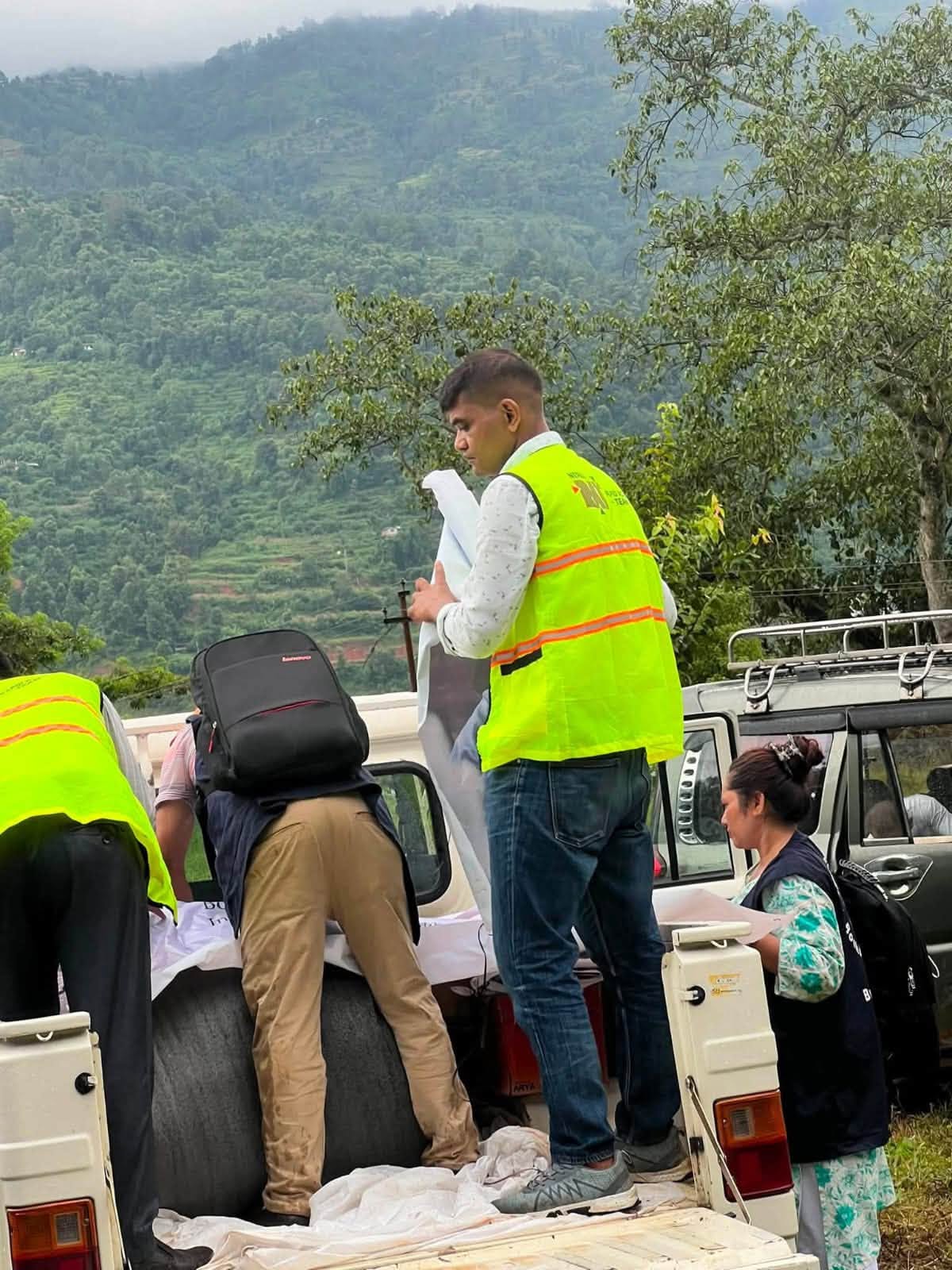
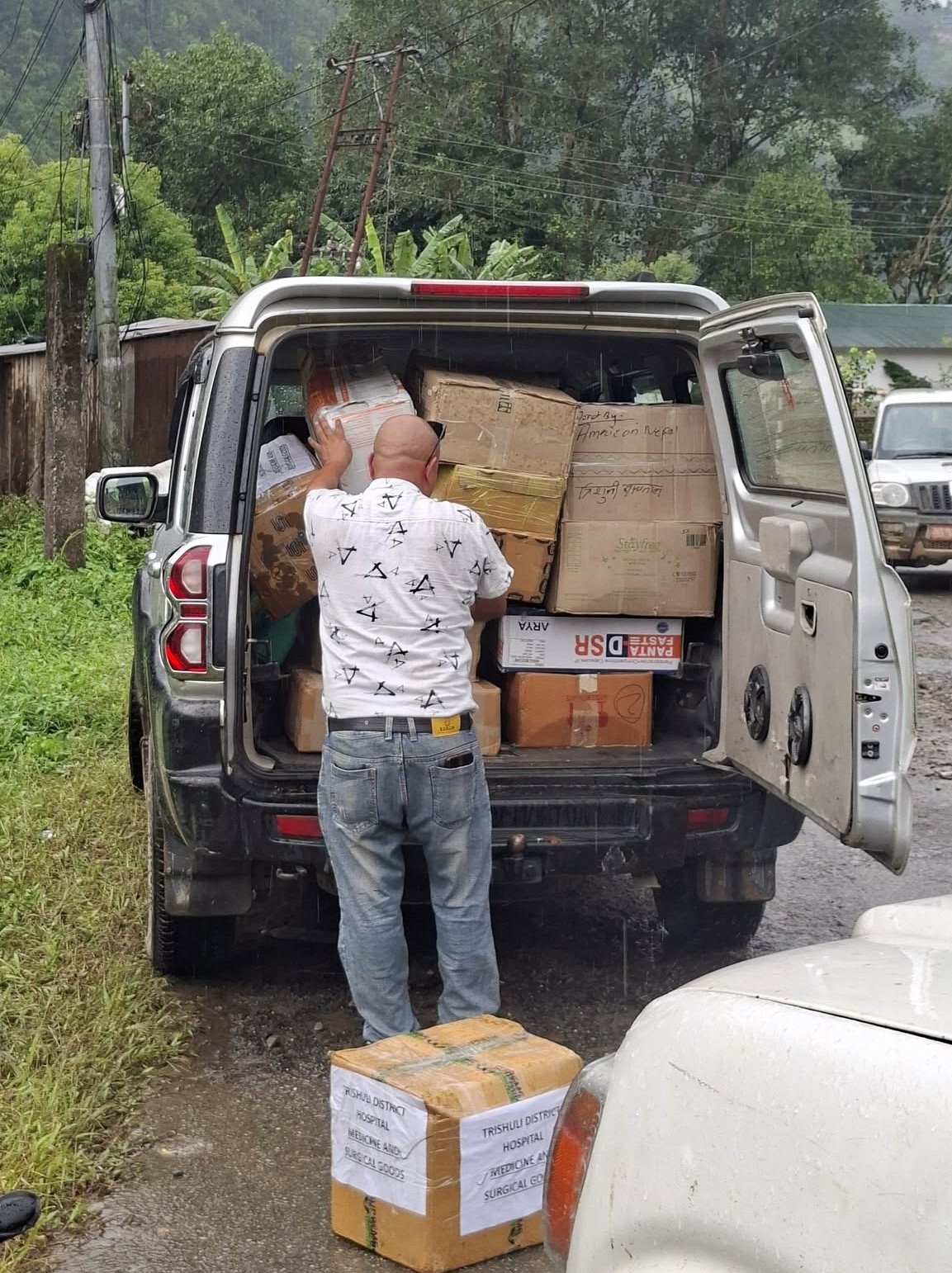
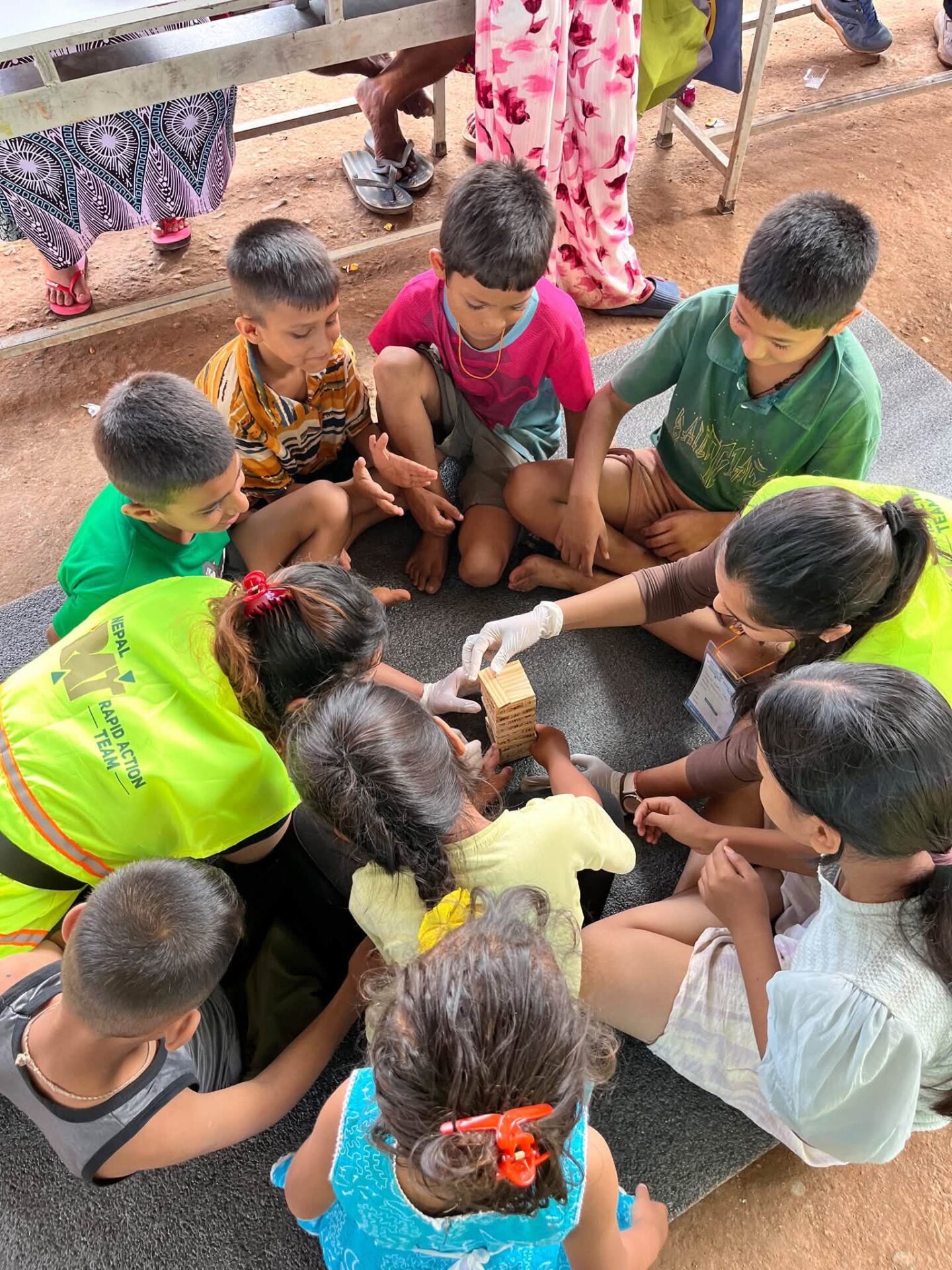
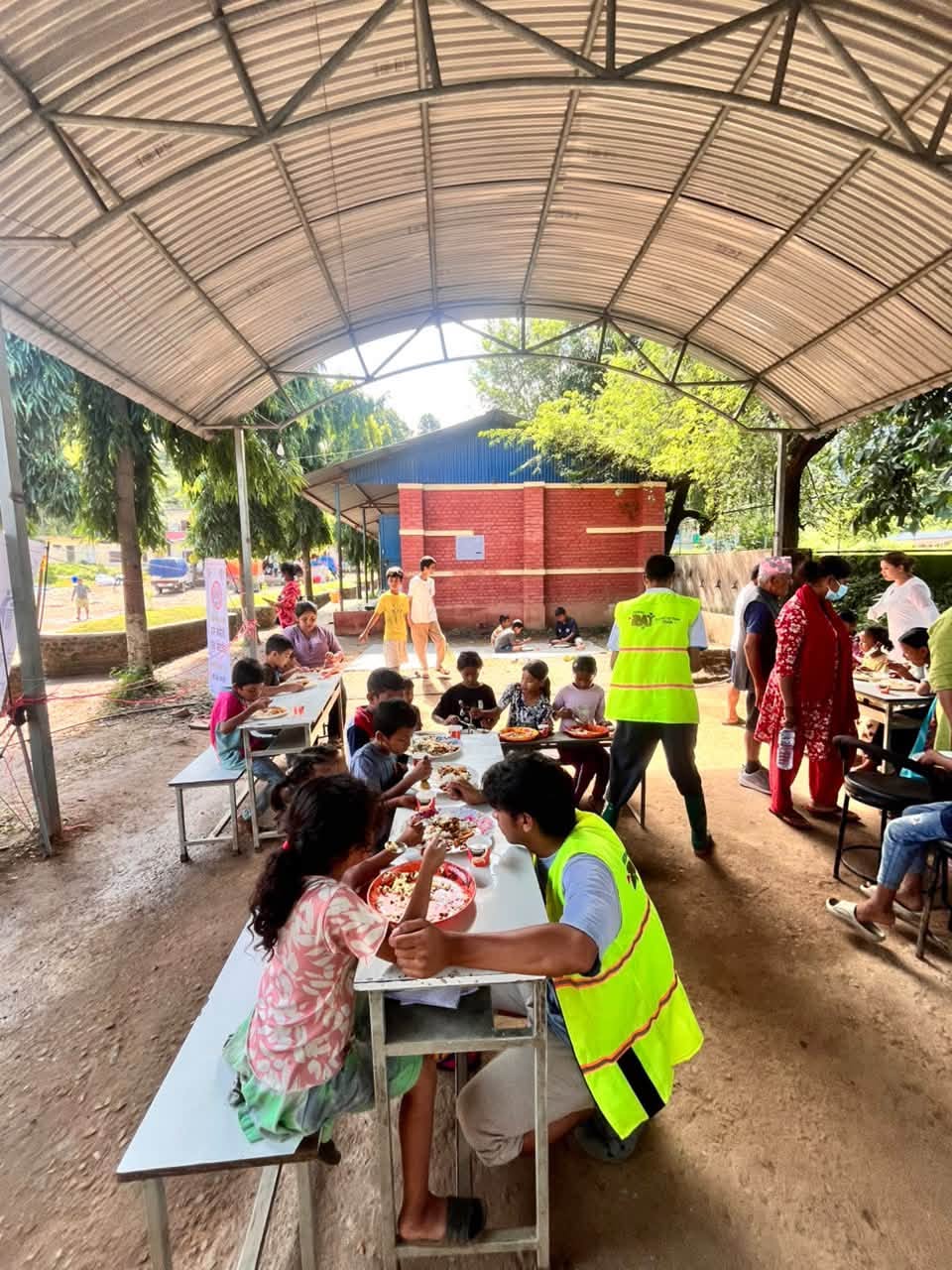
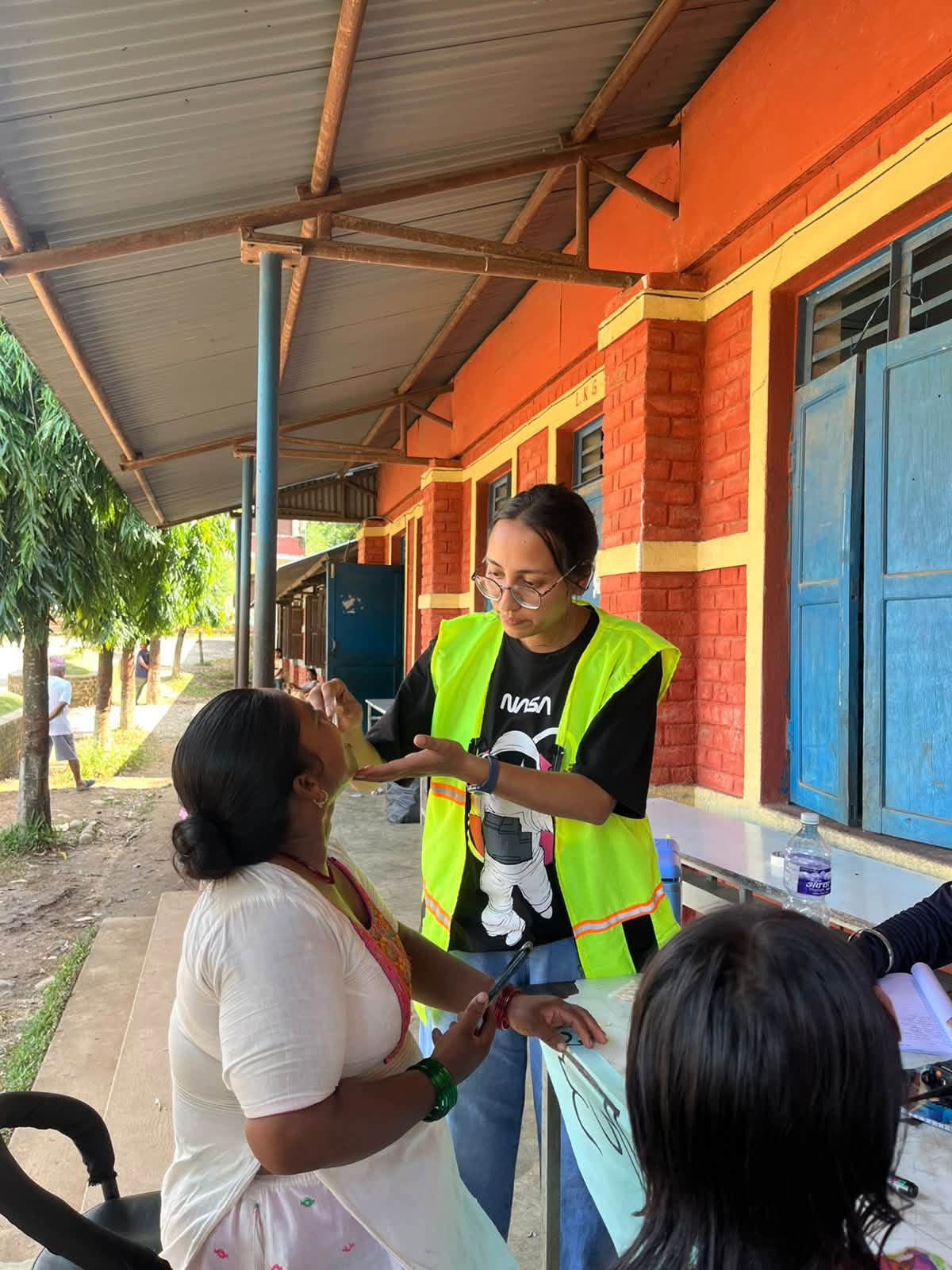
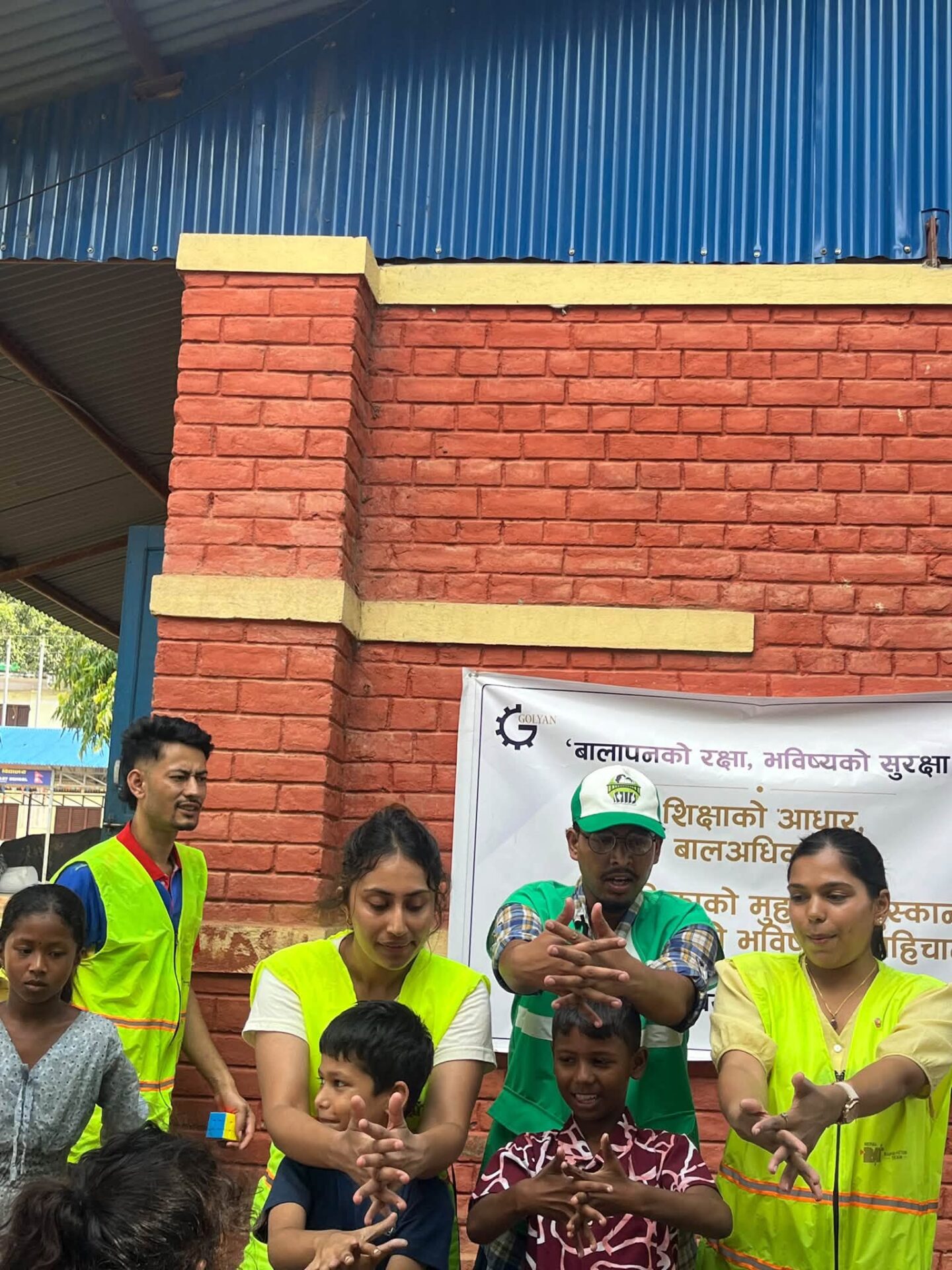
Since then, our teams have carried out relief distribution and community support campaigns across multiple areas of Nuwakot — supporting kitchen and food arrangements, managing and distributing essential supplies, providing medical support and screening, and coordinating the overall field response. Recognizing that recovery isn't only physical, volunteers have also spent time engaging with children through play and interaction, helping them feel safe, heard, and supported during a difficult time.
As of September 28, we have mobilized volunteers across 4 phases, and will continue to mobilize further rounds as required, remaining flexible to the evolving needs on the ground.
This work is ongoing, and more volunteers are needed to reach additional flood-affected families across Rasuwa, Nuwakot, and Dhading.
If you'd like to volunteer, you can fill out the volunteer form here.
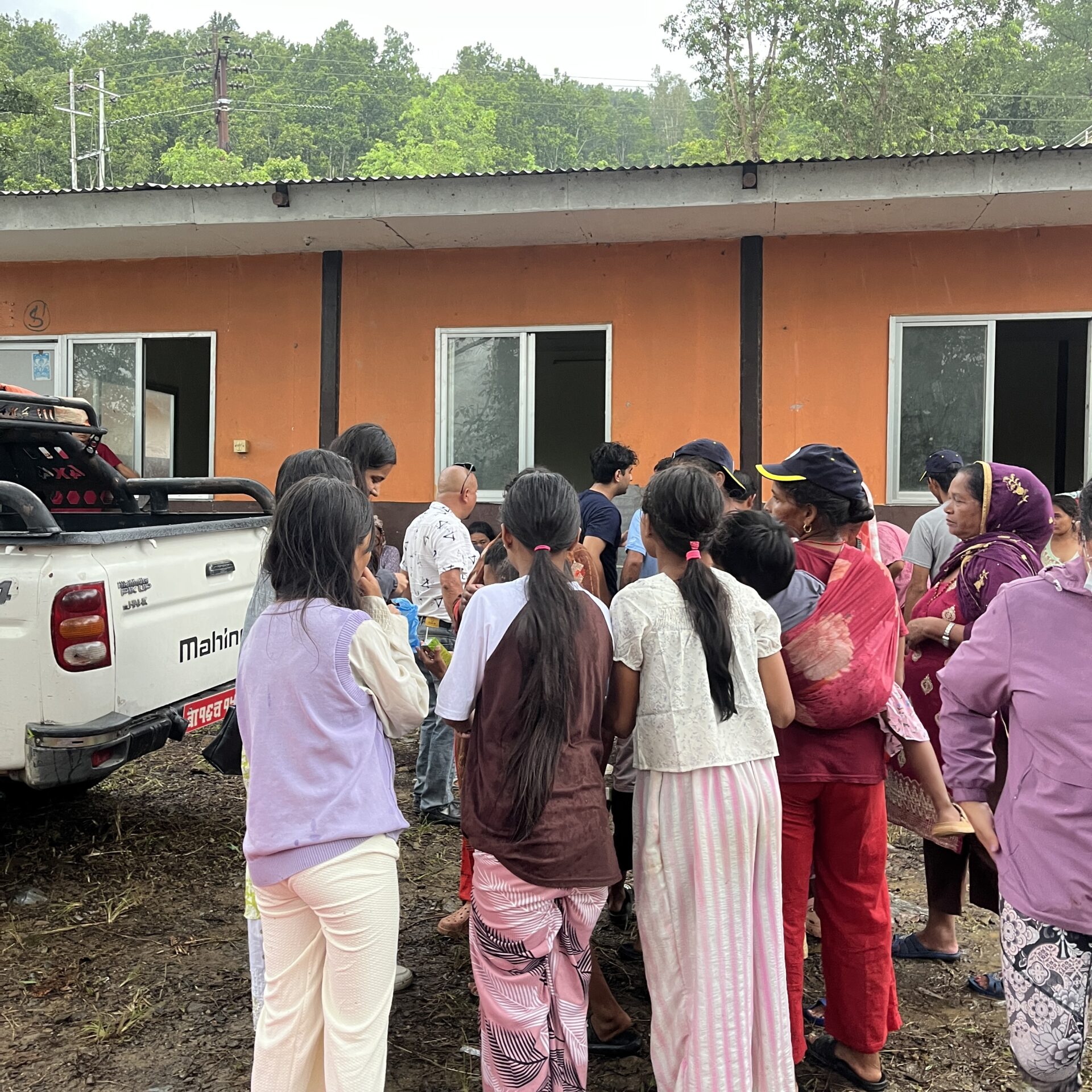
As Setu Nepal continues on-the-ground response efforts, our team — in collaboration with National College — visited Tupche, Nuwakot, and directly delivered relief kits to affected families.
Access remains the biggest challenge in the area. The main road is damaged and the Trishuli bridge has been destroyed, cutting off communities on either side and leaving many families still unreached and highly vulnerable, with limited access to aid and healthcare.
Due to heavy rain and slippery roads, the team stayed overnight in a safer part of Nuwakot before returning the following day.
While the initial plan included a health camp, our medical team remained on the ground assessing conditions. Plans for psychosocial counselling and play activities for children had to be postponed due to time constraints and unforeseen circumstances.
Observation: The area remains high-risk with continuous rainfall, and residents are still focused on immediate survival rather than secondary support.